What Is Mechanical Repair?
- Reactive: something has broken, is failing, or is about to
- Time pressure is high. Production is stopped or running badly
- Scope is often unclear until the field service technician has looked
- Diagnose first, fix second
Failed bearing on a critical pump
- Line stopped, pump seized or running rough
- Diagnose whether the bearing failed, or misalignment, contamination or overload caused it
- Replace the bearing and address the root cause
Gearbox showing advanced wear or tooth damage
- Increased noise, vibration, or metallic particles in the oil
- Assess whether it can be repaired in situ
- Or needs removal for workshop rebuild, or complete replacement
Hydraulic system lost pressure
- A failed seal, damaged valve or ruptured hose
- Hard to trace in complex circuits
- Requires systematic isolation and testing to pinpoint the source
Conveyor drive seized or overheating
- Stopped, or tripping on overload
- Could be motor, gearbox, belt or chain, or a jammed roller
- Diagnosis under time pressure with production waiting
Coupling failure between motor and driven equipment
- Vibration, noise, or complete disconnection
- The repair may be a replacement coupling
- But misalignment, excessive load or thermal expansion must be identified and corrected
Repair skill set
- Diagnoses faults under pressure
- Improvises when the part is not to hand
- Makes sound decisions quickly
- Is often an experienced generalist who has seen many failure modes
What Is Mechanical Maintenance?
- Planned: the equipment may be running fine
- Preventive or condition-based, inside a scheduled maintenance window
- Scope is usually well-defined before the technician arrives
Scheduled bearing replacements
- Rotating equipment at fixed intervals
- Based on manufacturer recommendations or condition monitoring data
Pump overhauls
- Disassembly and inspection
- Seal and impeller replacement
- Reassembly and performance verification against baseline data
Alignment verification and correction
- Laser alignment of motor-pump and motor-gearbox sets
- Coupled rotating equipment brought to manufacturer tolerances
Belt and chain replacement
- Scheduled replacement before end of life
- Including tensioning and alignment checks
Lubrication programme execution
- Systematic greasing and oil changes to a defined schedule
- Correct lubricants and correct quantities
Valve servicing and leak testing
- Disassembly, cleaning, seat inspection
- Re-lapping or replacement of internals
- Reassembly and leak testing to specification
Condition-based replacements
- Components flagged by vibration analysis, oil analysis or thermography
- Planned work triggered by monitoring data, not the calendar
Maintenance skill set
- Methodical and precise
- Records results against baseline values
- Often a specialist in specific equipment types, working to defined procedures
- They work to tolerances, not timelines
Types of Mechanical Maintenance
Mechanical maintenance is the upkeep of the moving and load-bearing parts of a machine: bearings, gearboxes, couplings, belts, chains, seals, pumps and the structures they sit on. The work is usually grouped into four types, and most plants use a mix of them.
Preventive maintenance
- Done on a schedule: by calendar time, running hours or cycles
- Lubrication, inspection, re-torquing, alignment checks and replacing wear parts
- Intervals usually come from the manufacturer's manual and the plant's own records
Predictive (condition-based) maintenance
- Done when a measurement shows a part is wearing
- Vibration, temperature, oil analysis and noise are the usual readings
- Needs a baseline and a routine for taking readings
Corrective maintenance
- Done after a fault, to put the machine back into service
- Planned corrective work is booked once a defect is found. Breakdown work is unplanned and urgent
- This is the repair work described above
Operator-level maintenance
- Cleaning, simple checks and lubrication by the people who run the machine
- Usually works from a checklist
- Leaves the technician for work that needs their skills
To choose between scheduled and condition-based work for a given machine, see preventive vs. predictive maintenance.
Repair and Maintenance Side by Side
A vague “mechanical technician needed” brief pulls in both types. Then nobody agrees on scope, price or what happens on the day.
Some experienced technicians do both. Many specialise.
How to Write a Better Mechanical Brief
Say whether it is repair or maintenance. Technicians can then price it properly and bring the right tools.
For a repair brief, include
- What failed, or what symptoms are present
- When it started and how it has progressed
- What steps have already been taken
- Equipment make, model and serial number
- Whether the equipment is running or stopped
- Urgency level and production impact
For a maintenance brief, include
- Equipment scope: the list of assets to be serviced
- Specific tasks required per asset
- Whether spare parts are available or need sourcing
- Maintenance window timing and duration
- Documentation and reporting expectations
- Any condition monitoring data available
Vague brief vs specific brief
Vague: “mechanical technician needed for pump work”. You get vague quotes back.
Specific: “scheduled overhaul of two Grundfos CR 45-3 vertical multistage pumps, mechanical seals and impellers to be replaced, laser alignment after reassembly, maintenance window 15 to 17 March”. The technician knows exactly what is needed and can price it.
Disclaimer: This guide is provided for general informational purposes only and does not constitute professional, legal, or financial advice. All rates, timelines, and market data referenced are indicative estimates based on general market observations and may not reflect current conditions. Actual costs, qualifications, and regulatory requirements vary by country, industry, and project. Always verify information with relevant local regulations, obtain professional advice where appropriate, and request multiple quotes before committing to any engagement. FindFST accepts no liability for decisions made based on the content of this guide.
From the field
Fault-finding stories from FST Life that go with this guide.

10 Dec 2026
16 motors and gearboxes swapped out. Commissioning time, then I spotted it...
Transport plugs still in. All 16 of them. Gearboxes get hot. Oil expands. Transport plug fitted means pressure has nowhere to go. New gearbox written off...
15 Oct 2026
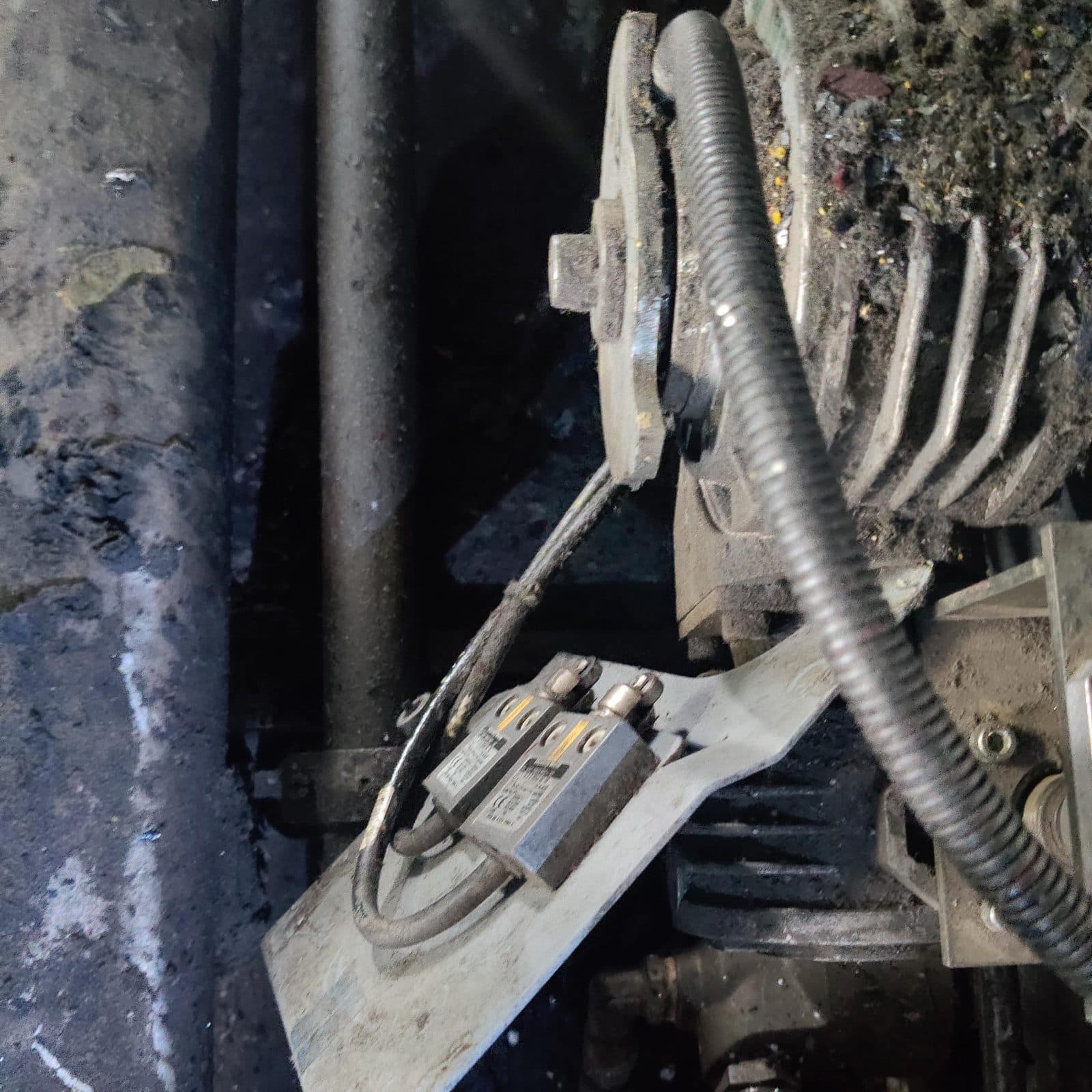
The limit switches on this gearbox exist for one reason. To stop it destroying itself.
A fault was suspected on them. Instead of troubleshooting it, someone unplugged them and carried on. Classic... No fault. No protection. Just a gearbox...
24 Sep 2026
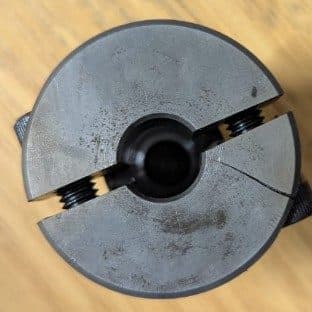
Would you replace this motor coupling?
Motor's been running like this for who knows how long. Went in to replace the motors. Pulled the couplings and found them cracked through. New motors...
Looking for someone who does this work? Browse the mechanical troubleshooting technicians on FindFST, or see how on-site missions work.
Find Mechanical Technicians on FindFST
Post a mission for an emergency repair specialist to diagnose a failed gearbox or a maintenance technician for a planned pump overhaul, and connect directly with mechanical technicians across Europe.
Hire field service technicians directly on FindFST. No agencies, no markup. Just a flat 6% platform fee.
When the work needs someone at the machine, post an on-site mission: describe the machine and the fault, and technicians who know that equipment send you a price.